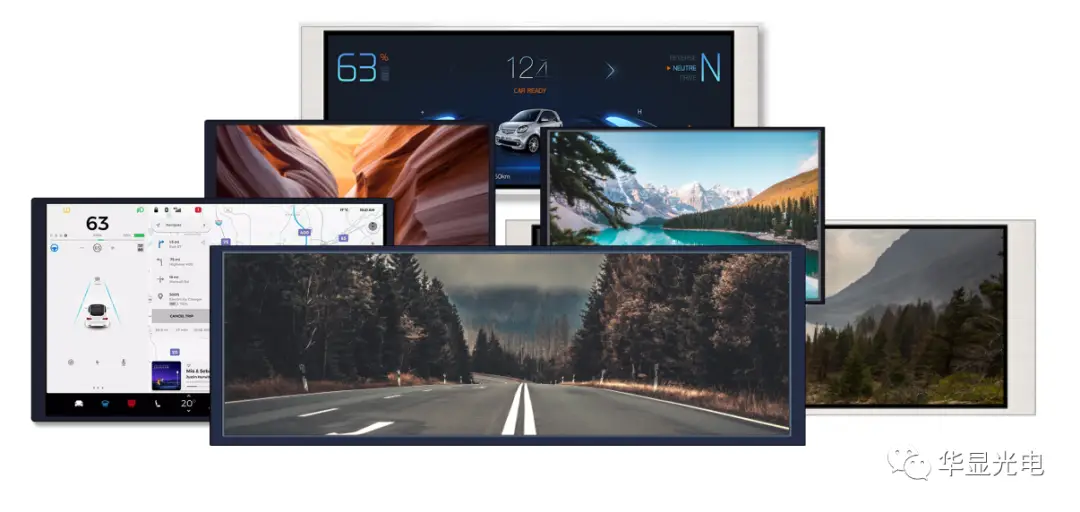
Vehicle central control screens and car-mounted displays refer to display panels installed on automobile dashboards or behind seats, which are used to present vehicle data, entertainment content, navigation and other information. With the continuous advancement of automotive technology, the functions and sizes of car-mounted displays have been constantly upgraded, making them an essential component of modern vehicles.
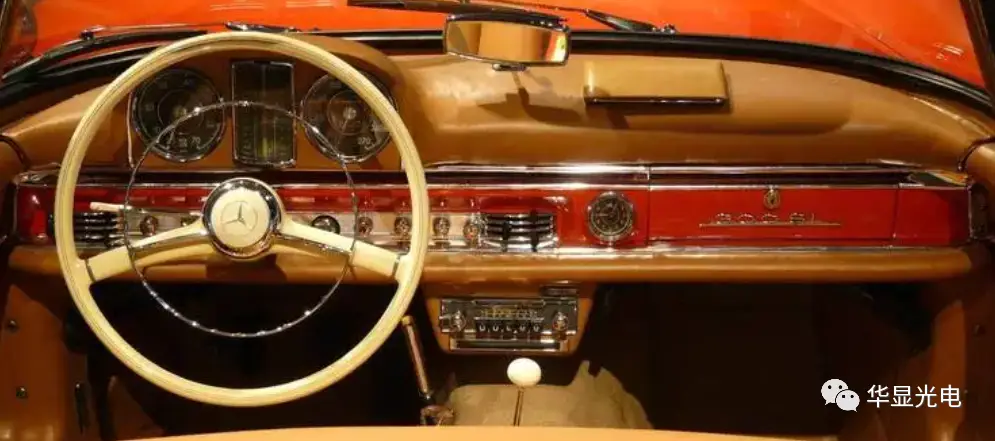
In the early days, vehicle central control screens could only display basic vehicle information such as vehicle speed, fuel level and coolant temperature, and most of them adopted mechanical pointers or digital display screens.
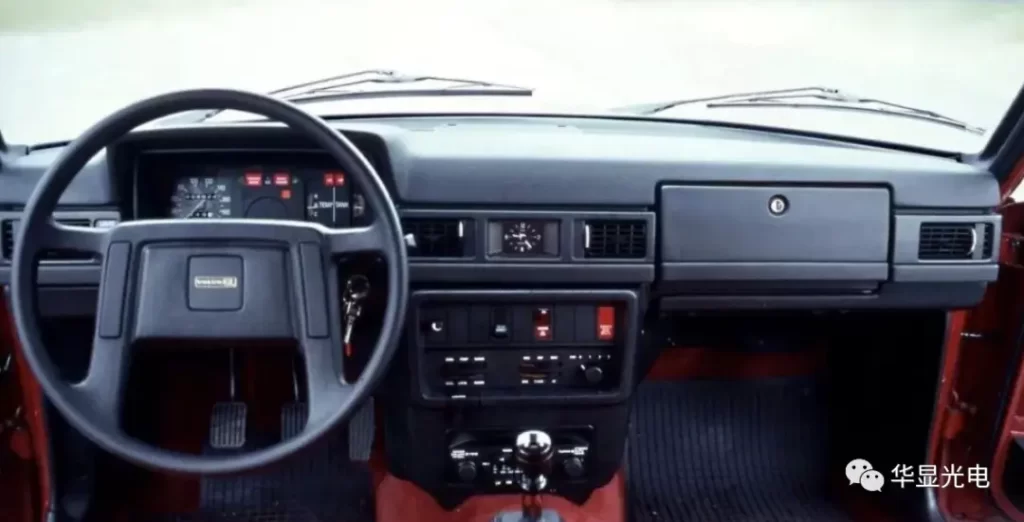
It was not until the 1990s, with advances in electronic technology, that liquid crystal displays (LCDs) began to be adopted for vehicle central control screens, enabling them to show more information and graphics. However, due to the high cost of LCD panels, car-mounted displays did not gain widespread popularity until after the 1990s.
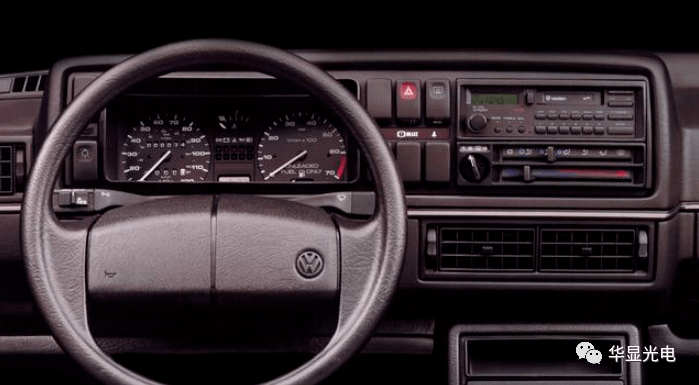
Vehicle-mounted displays in the early 2000s were small, usually only a few inches in size, and could merely show basic vehicle data and simple entertainment functions such as radio and music players. However, with the continuous development of liquid crystal display technology, vehicle-mounted displays have seen constant upgrades in size and functionality.
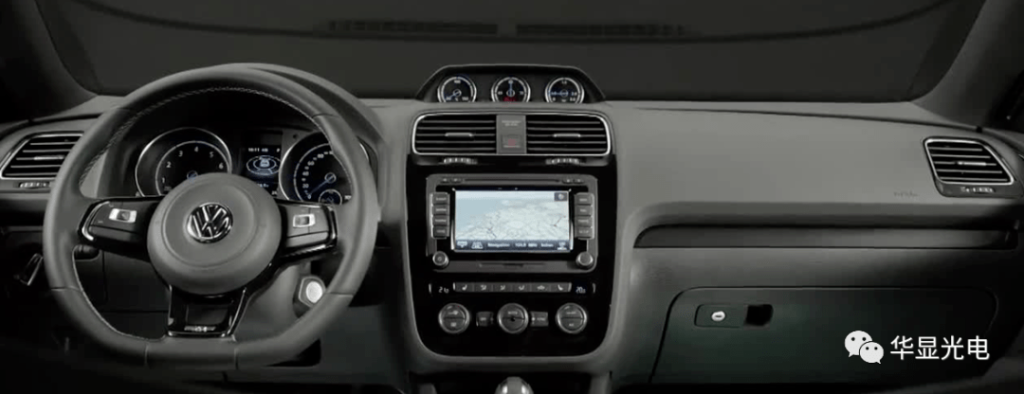
In the early 2010s, some high-end vehicles began to adopt larger vehicle-mounted displays capable of presenting more information and richer entertainment content, including navigation, video playback, games and more. The application of these large screens not only improved the quality of in-car entertainment and information services, but also delivered greater competitive advantages for automakers.
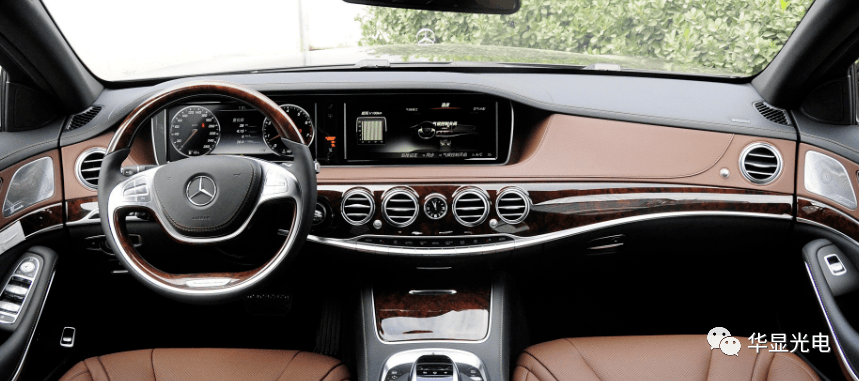
By 2020, the adoption of vehicle-mounted displays had become one of the important symbols of automotive technology. Driven by the widespread popularity of smartphones and tablets, vehicle-mounted displays have gained increasingly versatile functions. Modern vehicle screens can not only display basic information and entertainment content such as navigation, music and videos, but also connect to the Internet to deliver more personalized and diverse services, including online music, social media and smart home control.
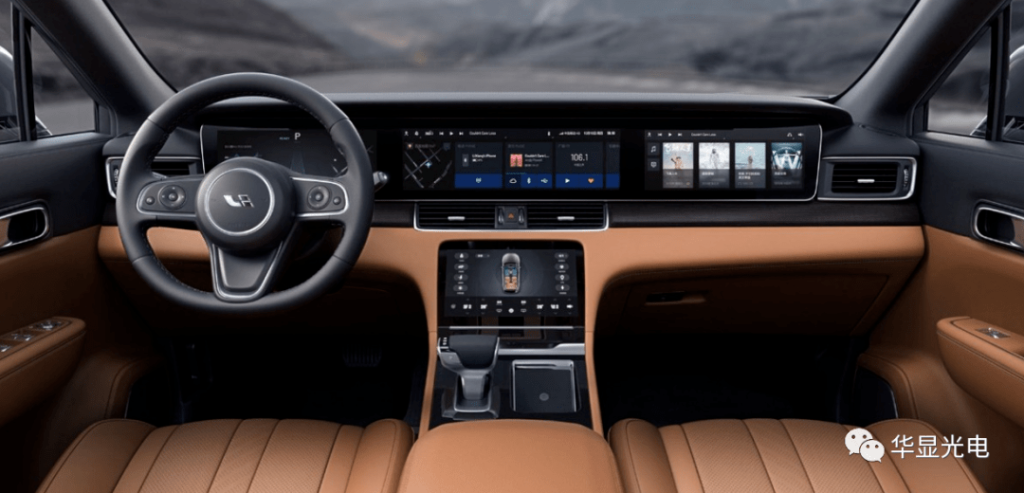
In the future, vehicle-mounted displays will keep evolving. With the continuous advancement of artificial intelligence and autonomous driving technologies, vehicle screens will become a vital component of intelligent automobiles. Future vehicle-mounted displays will enable smarter interaction and services, such as voice control, facial recognition and intelligent recommendation, delivering a more convenient and intelligent experience for driving and travel.
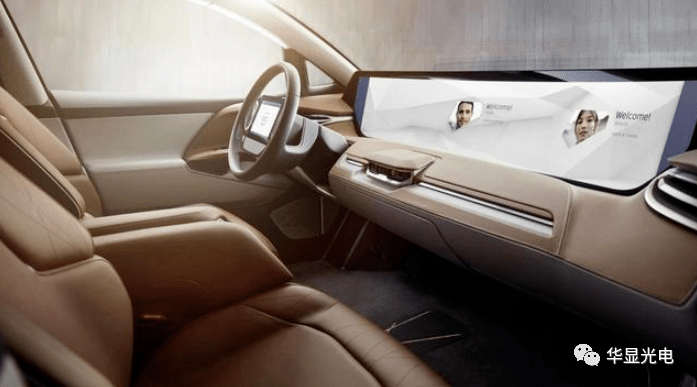
Huaxian Photoelectrcity believes that the development history of vehicle central control screens and automotive displays serves as a microcosm of the evolution of automotive technology. From early dashboard indicators to today’s intelligent service systems, the advancement of automotive displays has not only elevated the quality of in-car entertainment and information services, but also fueled and supported the continuous innovation of automotive technology. Moving forward, automotive displays will keep evolving to bring users a smarter, more convenient and safer driving and travel experience.